


Anesthesia Techniques
Several anesthesia methods are available for oral surgery procedures. The anesthesia technique chosen for or by the patient depends on the nature of the surgical procedure and the patient’s level of apprehension, and will be recommended during your consultation.
All outpatient surgical procedures are performed under appropriate anesthesia to maximize your comfort. These services are provided in a highly secure environment, using modern monitoring equipment and a well-trained, experienced team.
Local anesthesia with or without medical premedication
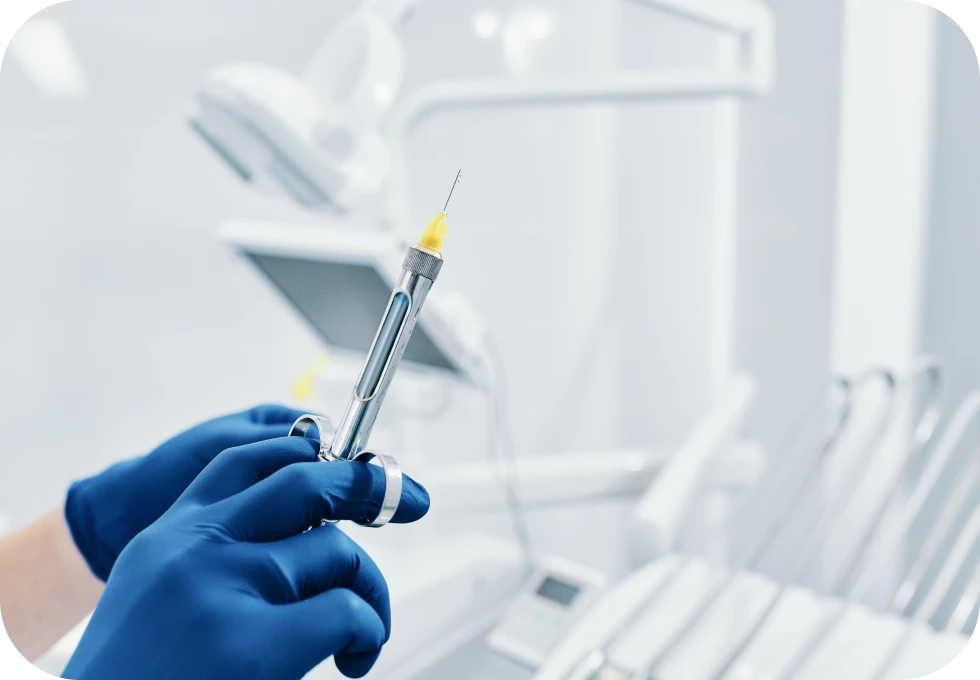
Local anesthesia is the most common method for oral surgery procedures performed in the clinic. The anesthetic is injected directly into the area to be treated and takes effect within a few minutes. Depending on the dosage and the product used, the effect can last several hours, allowing the procedure to be performed without pain.
To reduce anxiety during a surgical procedure under local anesthesia, Dr. Arnaud may prescribe an appropriate treatment during the pre-operative consultation to help ease stress. These medications are usually taken 1 to 2 hours before the procedure. Depending on the type of medication used, you may be advised not to drive and to come accompanied.
Unlike general anesthesia, it is strongly recommended to have a meal or snack before undergoing local anesthesia. A detailed instruction sheet to follow will be provided during your consultation prior to the procedure.
General Anesthesia
For certain complex procedures or in cases of severe anxiety or phobia, Dr. Arnaud may recommend performing the procedure under general anesthesia. In this case, it is essential not to eat or drink anything (except prescribed medications with a small sip of water) for at least eight hours before the procedure.
Having food in the stomach can increase the risk of serious anesthesia-related complications, including nausea and vomiting.
Your procedure will be postponed if these instructions are not followed.
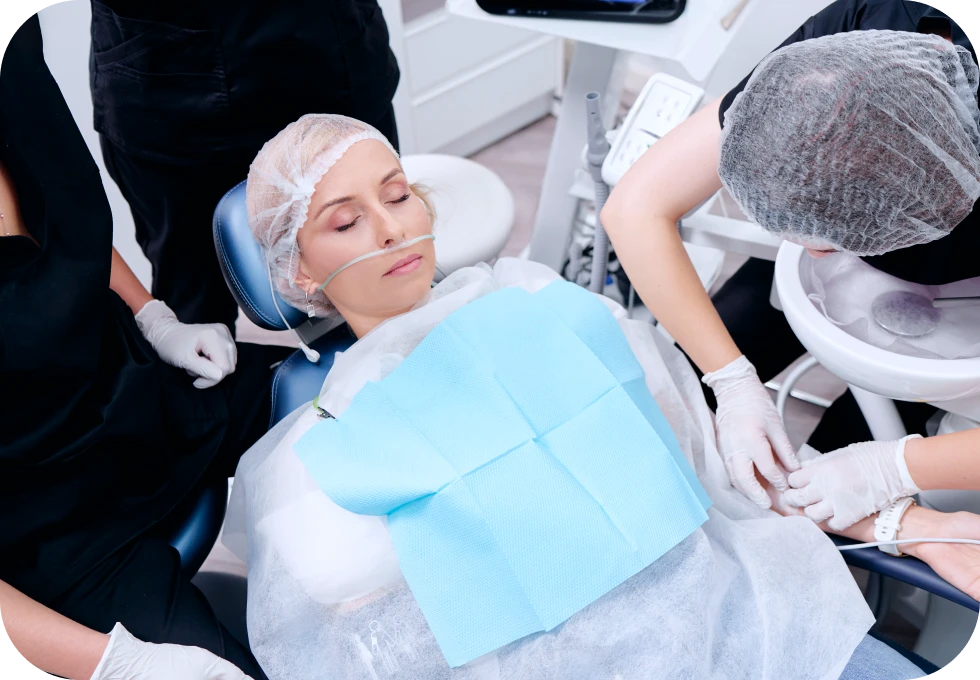
General anesthesia is administered by a team of FMH-certified anesthesiologists directly at the clinic. An intravenous line will be placed in your arm to allow for the administration of medications. You will be fully asleep during the procedure and can return home a few hours after waking up. Local anesthesia is systematically used in addition to painkillers, making the recovery almost painless.