


Implantology
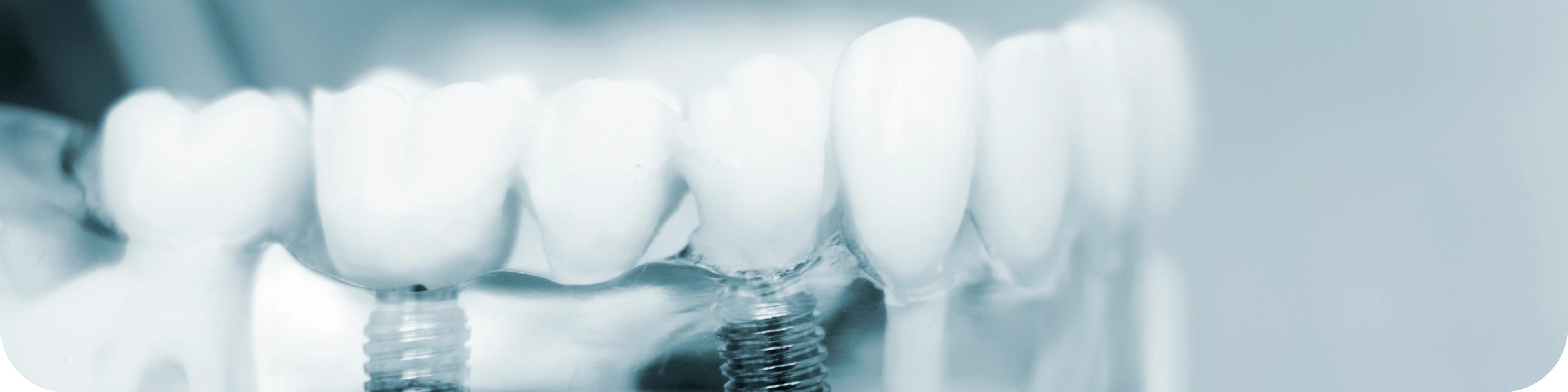
Dr. Arnaud offers several treatments to replace missing teeth or teeth that need to be extracted. These range from a single implant for a missing tooth, tooth extraction and implantation in the same session, bone grafts in cases where the bone is too thin to receive an implant, and replacement of all teeth with implants in a completely edentulous patient. Dr. Arnaud works exclusively as a surgeon and collaborates with general dentists who are responsible for creating implant prostheses (single crowns, single or multiple bridges, hybrid prostheses, attachment prostheses, etc.).
-
Single implant
Learn moreA dental implant is a titanium alloy screw implanted into the jawbone to replace a complete tooth.
-
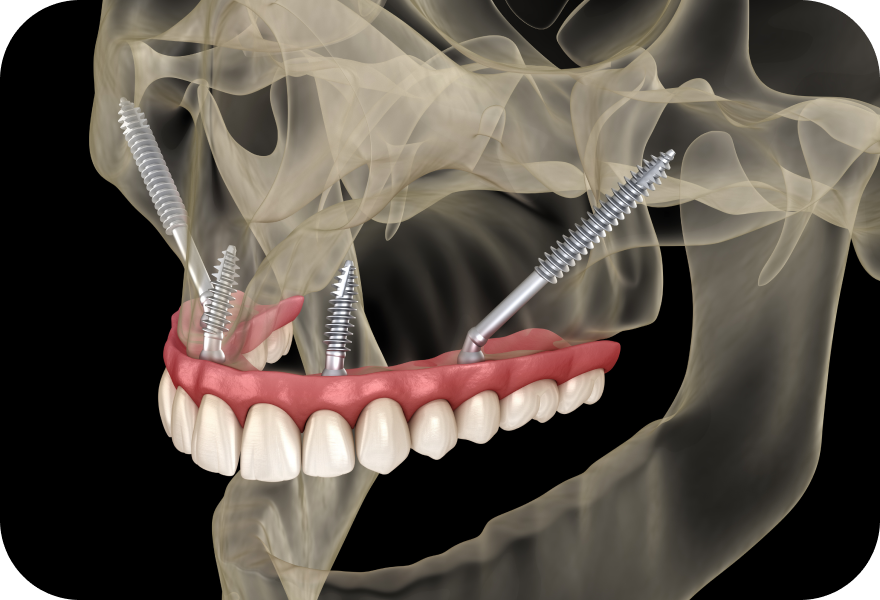
Zygomatic implants
Learn moreThe zygomatic implant procedure is more complex than traditional implants and requires additional expertise.
-
Subperiosteal implants
Learn moreSubperiosteal implants are a solution for patients with severe bone loss in the upper or lower jaw, making conventional dental implants impossible.
-
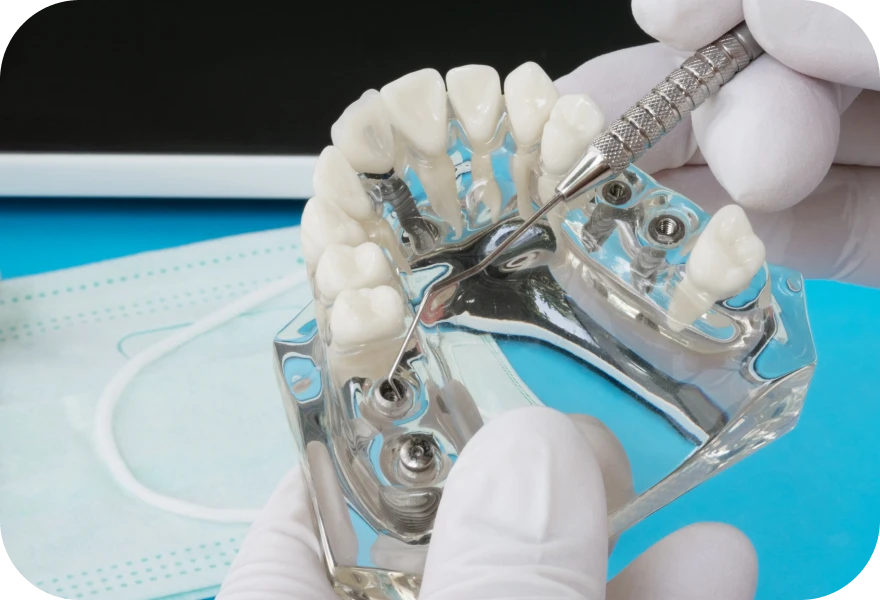
Immediate extraction and implantation
Learn moreThis method reduces processing time and the number of interventions required.
-
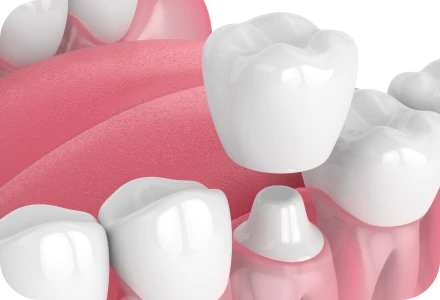
Immediate loading
Learn moreImmediate loading involves placing a temporary crown on the implant immediately after insertion.
-
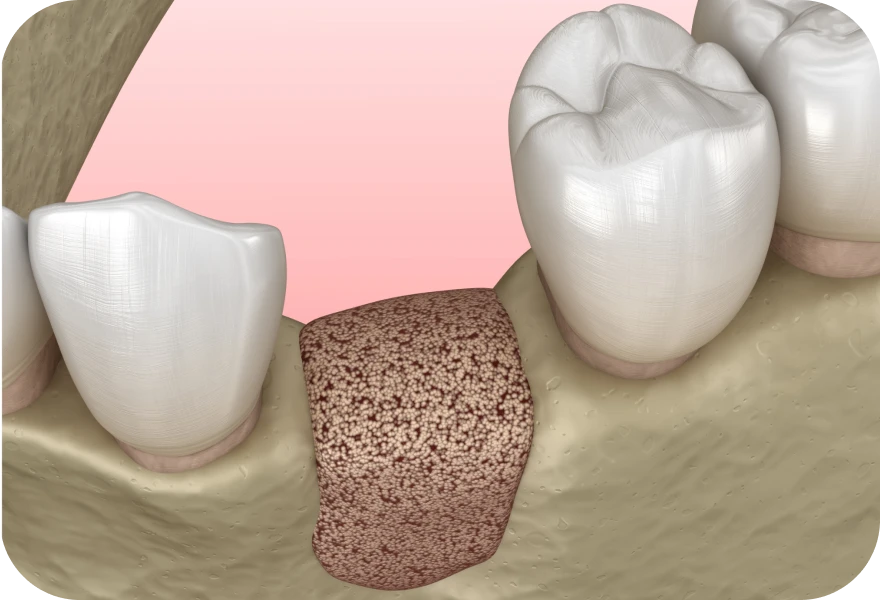
Bone grafting
Learn moreIf you’d like a non-removable solution to restore your missing teeth, bone grafting can be part of your treatment plan.
-
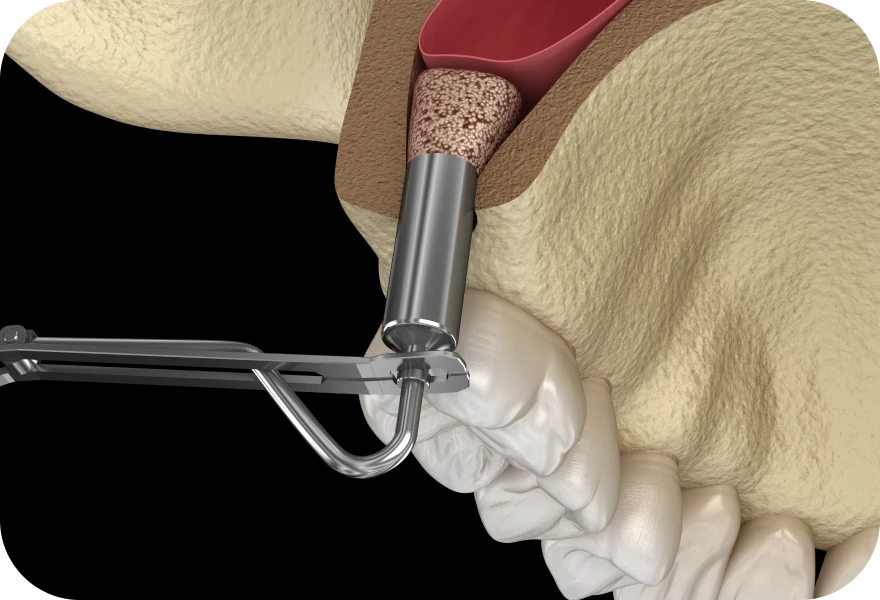
Sinus lift
Learn moreThe aim of the procedure is to increase the bone level beneath the floor of the maxillary sinus above the bony crest.
-
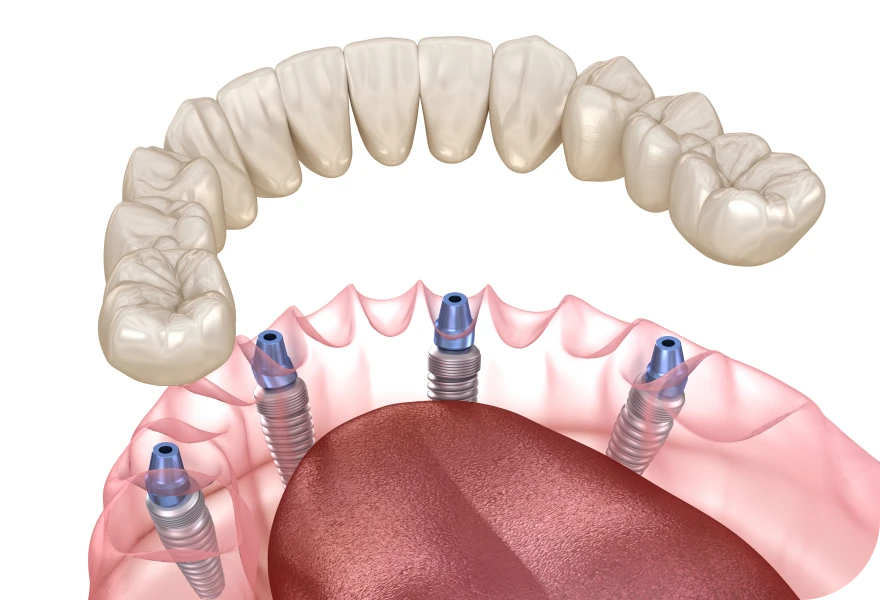
All-on-X
Learn moreThe All-on-4, All-on-6 or All-on-8 technique is a complete dental rehabilitation solution, specially designed for patients who are edentulous or about to lose all their teeth.
-
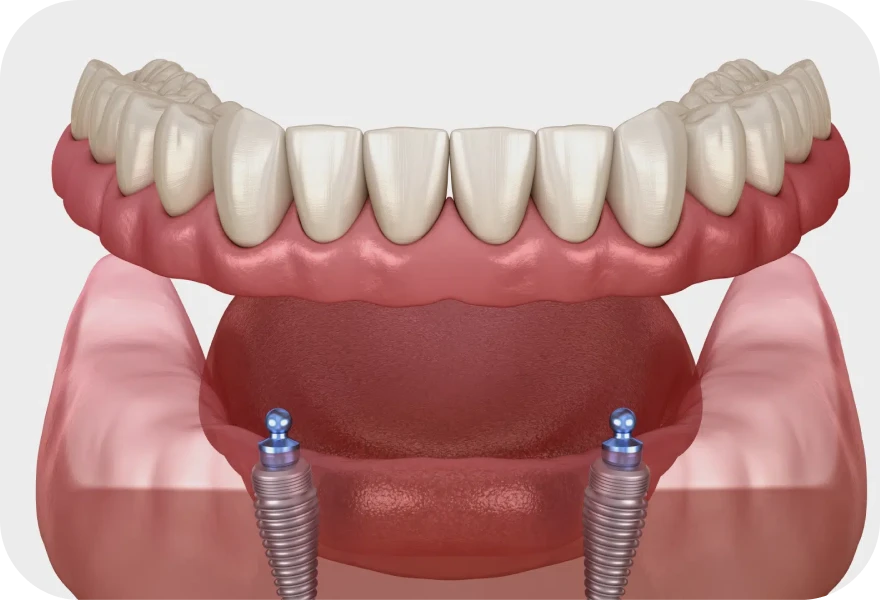
Stabilized complete prosthesis on implants
Learn moreFor patients with no teeth at all left in the entire jaw, the replacement solution first proposed by dentists is a removable total prosthesis.
What can modern implantology treat?
Modern implantology can address a wide range of situations, from the replacement of a single tooth to the full rehabilitation of a jaw. Each treatment is planned according to the available bone volume, the condition of the gums, the overall oral health and the type of prosthesis foreseen.
Single tooth implant: a long-lasting tooth replacement
A single tooth implant is indicated when one tooth is missing or has to be extracted. It acts as an artificial root onto which a crown is fixed, without altering the neighbouring teeth.
When to use zygomatic implants?
Zygomatic implants are offered when there is significant bone loss in the upper jaw. They use the cheekbone as an anchoring area and can avoid certain complex bone grafts.
Subperiosteal implants: a solution for complex cases
Subperiosteal implants can be considered when bone loss is advanced. Custom-designed, they adapt to the patient’s anatomy when conventional implants are not suitable.
Why opt for immediate extraction and implant placement?
This approach makes it possible to extract a tooth and place the implant during the same procedure. It reduces the number of surgical steps and helps preserve the tissues when conditions are favourable.
Immediate loading: regaining a fixed dentition quickly
Immediate loading consists in fitting a temporary prosthesis shortly after the implants are placed. It can quickly improve comfort, chewing and aesthetics.
When is a bone graft necessary?
A bone graft is indicated when the bone volume is insufficient to ensure implant stability. It rebuilds a suitable bone base before or during treatment.
Sinus lift: increasing bone height in the upper jaw
Sinus lift is used in the back of the upper jaw when bone height is limited. It creates enough volume for implants to be placed under good conditions.
Why choose an All-on-X solution?
All-on-X replaces a full arch using several implants that support a fixed prosthesis. It is a stable solution for patients who are edentulous or whose teeth can no longer be saved.
Implant-stabilised full denture: improving everyday comfort
In fully edentulous patients, this solution improves the stability of a complete denture. It makes chewing, speech and daily comfort easier.